Common Skin Conditions Explained: Acne, Eczema, Psoriasis & When to See Your GP
Your skin talks to you every day.
A breakout before a big event. A patch of dry, itchy skin that keeps returning. A rash that spreads no matter what you put on it.
These are not just cosmetic concerns. They are signs that something underneath needs attention.
Skin condition care is one of the most common reasons people visit a GP at Molonglo Valley Medical Centre. Our doctors manage skin conditions every single week.
This guide covers the three conditions we see most often — acne, eczema, and psoriasis. You will learn what each one is, how it is treated, and when it is time to stop waiting and book in.
We also connect skin condition care to the broader picture of skin health molonglo valley residents rely on — including skin cancer risk, regular skin checks, and sun safety tips.
Why Skin Condition Care Starts With Getting the Right Answer
Skin problems are tricky. Many of them look the same from the outside.
A red, scaly patch could be eczema. It could also be psoriasis, ringworm, or contact dermatitis. Each one needs a different treatment.
Using the wrong product can make things worse. It can also delay the relief you are actually looking for.
A GP gives you the right answer from the start. Skin condition care that begins with a correct assessment is faster, cheaper, and more effective in the long run.
Acne: When Breakouts Need More Than a Cleanser
Acne is one of the most common skin conditions our GPs see. It affects people of all ages — not just teenagers.
It forms when pores become blocked. Oil, dead skin, and bacteria collect inside the pore. The result can range from a small bump to a deep, painful swelling.
Many adults in their 30s and 40s deal with acne. For some, it starts for the first time in adulthood.
What Acne Actually Looks Like
• Closed or open pore blockages — small bumps on the skin surface that are not inflamed
• Red, raised spots — where the blocked pore has become irritated and swollen
• Deep cystic spots — painful, firm lumps that sit below the skin. These carry the highest risk of leaving a mark
How a GP Treats Acne
Mild acne often clears with a prescribed cream or gel that reduces oil and controls bacteria on the skin surface.
More stubborn cases need something that works from the inside. Your GP may prescribe a short course of tablets alongside a topical product.
Women whose acne is linked to hormonal changes often respond well to a treatment that addresses the hormonal trigger directly.
If acne is severe, scarring, or not responding to GP care, your doctor will refer you to a skin specialist for the next level of treatment.
The Right Time to Stop Managing Acne Alone
If three weeks of over-the-counter products have made little difference, it is time to see a GP.
Do not wait if your spots are deep and painful, or if you are already seeing marks on your skin. Early GP-level skin condition care gives your skin the best chance of staying clear.
Eczema: Calming Skin That Flares and Fades
Eczema is a skin condition that comes and goes. It has no single trigger and no permanent cure.
During a flare, the skin becomes dry, red, and very itchy. It can crack or weep in severe cases.
Between flares, the skin often settles back to near-normal. But something in the environment or daily routine is usually still there, ready to set it off again.
Common Eczema Triggers
• Dust and tiny airborne particles in the home
• Soaps, washing products, and body care items that contain strong additives or fragrance
• Rapid changes in temperature or spending time in very hot or very cold air
• High stress levels and broken sleep, which both weaken the skin barrier
• In children, a small number of foods can act as a flare trigger worth investigating
What Effective Skin Condition Care for Eczema Involves
Daily moisturising is the base of good eczema care. It keeps the skin barrier strong between flares.
Your GP helps you pick a product that suits your skin type and a routine that fits your day.
When a flare hits, a prescribed cream brings the redness and itch under control far faster than anything off the shelf.
Your doctor also helps you find your personal triggers. Knowing what sets your skin off is one of the most useful tools you can have.
Eczema in Children: Early Care Makes a Difference
Eczema is one of the most frequent skin concerns in young children. It often starts before school age.
Children with eczema often also have asthma or hay fever. These three conditions are closely linked.
At Molonglo Valley Medical Centre, managing eczema in children is part of our regular skin condition care. For complex or severe cases, we arrange referrals to the right specialists.
Psoriasis: A Skin Condition Driven From Within
Psoriasis is caused by the immune system sending the wrong signal. It tells skin cells to grow and shed far faster than normal.
Cells pile up on the skin surface before the old ones have time to clear. This creates raised, thickened patches covered in flaky, pale scale.
It most often appears on the elbows, knees, scalp, and lower back. But it can develop on any part of the body.
What Causes Psoriasis to Flare
• An infection, especially a throat infection, which can push the immune system into overdrive
• Long periods of stress or disrupted sleep
• Certain medicines, including some drugs used for blood pressure and joint pain
• Skin injury — even a minor scratch or sunburn can trigger a new patch at that exact spot
• Heavy use of alcohol or tobacco, both of which make psoriasis harder to settle
Managing Psoriasis With Long-Term Skin Condition Care
There is no permanent cure for psoriasis. But most people achieve long periods of clear or near-clear skin with the right plan.
Treatment starts with creams applied to the affected areas. These calm the immune response at the skin surface and reduce the build-up.
When the condition covers a large area or resists topical treatment, light therapy or oral medicine may be the next step.
For severe psoriasis, biologic treatments available through a skin specialist can produce strong, lasting results. Your GP manages the referral when that point is reached.
Psoriasis and Joint Pain: A Connection Worth Raising
Some people with psoriasis also develop pain and stiffness in their joints. This is known as psoriatic arthritis.
Joint symptoms can show up before or after the skin condition appears. If you have psoriasis and notice joint pain without a clear cause, mention it to your GP.
Treating both the skin and the joints together leads to better outcomes than managing each one in isolation.
Skin Conditions and Skin Cancer Risk: Why Both Matter
Skin conditions do not raise skin cancer risk on their own. But they can make it harder to notice new or changing spots on the skin.
When the skin is often red, patchy, or scaly, a new mole or growth can be easy to miss.
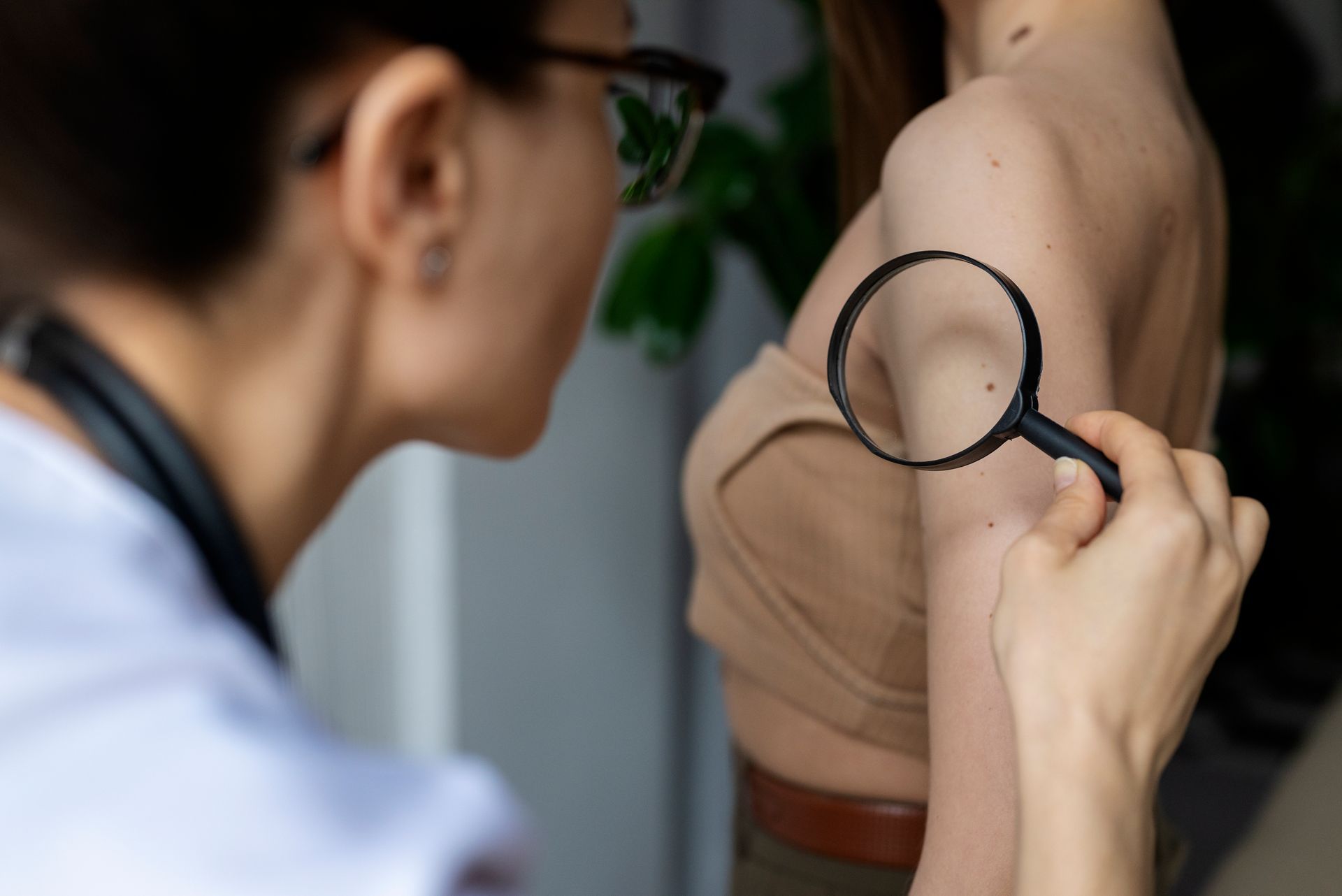
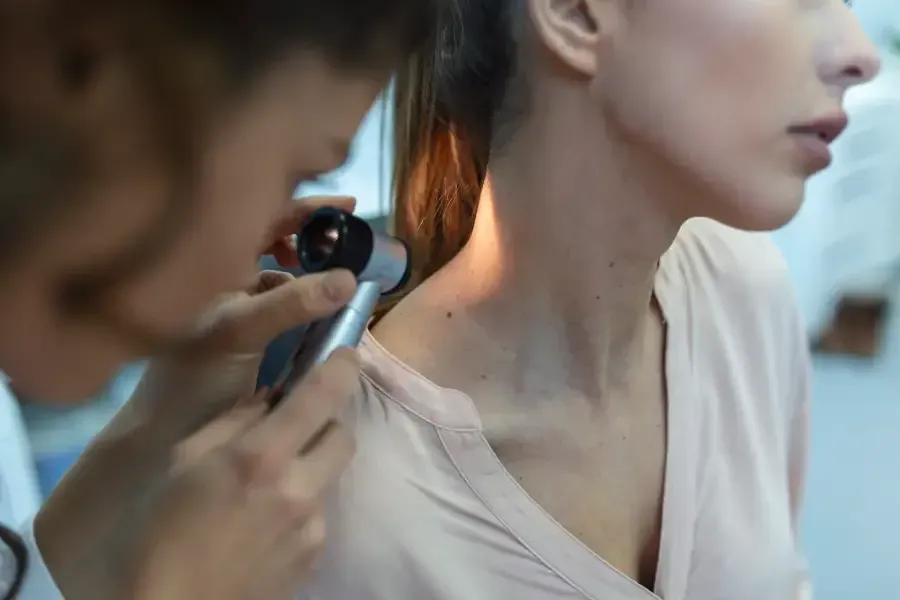
This is one reason why regular skin checks are especially useful for people managing long-term skin conditions.
Your GP at Molonglo Valley Medical Centre reviews both your skin condition care and your skin cancer risk in the same visit. Two concerns, one appointment.
Sun Safety Tips for Skin That Needs Extra Care
UV exposure does not just raise skin cancer risk. It can also trigger or worsen skin conditions.
Heat and UV light together are a known eczema trigger for many people. A long day in the sun without cover can set off a flare that lasts for days.
For people with psoriasis, some managed UV exposure can ease symptoms. But uncontrolled sun without protection usually makes things worse.
Skin-Friendly Sun Safety Tips
• Choose a fragrance-free, mineral-based sunscreen if your skin reacts to products. Look for zinc oxide or titanium dioxide on the label
• Wear soft, breathable cotton or bamboo fabric. Tight or synthetic clothing can aggravate eczema and psoriasis
• Step into shade during the hottest part of the day. Cooling your skin also reduces the itch that heat drives
• Ask your GP which sunscreen works best alongside your prescribed skin condition care
• Keep a hat with a real brim in your bag. Face, neck, and ear cover costs nothing and protects daily
Regular Skin Checks as Part of Your Skin Condition Plan
If you manage eczema, psoriasis, or recurring acne, regular skin checks should sit alongside your treatment plan.
They give your GP a chance to review how your condition is tracking and check for any new spots at the same time.
Skin health molonglo valley patients can access complete skin care at Molonglo Valley Medical Centre. Skin condition care and cancer screening happen together when that makes sense for you.
Back to the Full Skin Health Guide
This blog focuses on common skin conditions. For the full picture of skin health in Molonglo Valley, read Other pillar guide:
→ Your Complete Guide to Skin Health in Molonglo Valley – Prevention, Checks & Care
More From the Skin Health Blog Series
→ Skin Health and Cancer Prevention in Molonglo Valley: What Every Resident Should Know
→ Why Regular Skin Checks Are Critical: Early Detection, What Doctors Look For & How Often
→ Understanding Skin Cancer Risk Factors: Family History, Skin Type, Sun Exposure & Lifestyle
Frequently Asked Questions
Q1. How do I know if my skin problem needs a GP or if I can treat it myself?
A good rule of thumb is three weeks. If a skin problem has not improved meaningfully after three weeks of over-the-counter care, book a GP appointment. Come in sooner if the problem is painful, spreading quickly, affecting your sleep, or producing visible marks or scarring. A GP assessment costs far less time and money than months of trial-and-error products that are not right for what you actually have.
Q2. Is eczema something my child will grow out of, or does it need ongoing care?
Some children do grow out of eczema as they get older. But many do not, and even those who improve can see it return in adulthood under certain conditions. Rather than waiting to see what happens, good skin condition care in childhood helps keep the symptoms manageable and prevents the skin barrier from being repeatedly damaged. Our GPs at Molonglo Valley Medical Centre manage childhood eczema and adjust the plan as your child grows.
Q3. Can psoriasis affect my skin cancer risk?
Psoriasis itself does not directly cause skin cancer. However, certain treatments used for severe psoriasis — particularly some forms of UV light therapy given over many years — can increase skin cancer risk over time. This is one reason why people receiving those treatments are placed on a closer monitoring schedule. Regular skin checks are a sensible part of long-term psoriasis management. Talk to your GP about what level of monitoring is right for your treatment plan.
Q4. My acne has left marks on my face. Can a GP help with that?
Yes. Post-acne marks and scarring are something our GPs discuss with patients regularly. For fresh marks that are still pink or red, the right topical treatment can help fade them over time. For deeper scarring, your GP can refer you to a dermatologist who offers procedures suited to your skin type. The most important first step is getting the active acne under control so no new marks form. Book in and we will assess where your skin is and what the options are.
Q5. I manage eczema and I am also concerned about skin cancer risk. Can I address both in one visit?
Yes, and this is something we do regularly at Molonglo Valley Medical Centre. Your GP can review how your skin condition is tracking, update your treatment plan, and carry out a skin check for new or changing spots all in one appointment. You do not need to book separate visits for each concern. Let reception know when you book that you want to cover both your skin condition and a skin cancer check, and we will allocate enough time.
Take Action on Your Health Today
Your health matters at every stage of life. From routine check-ups and preventive care to managing ongoing health concerns, early medical support can make a real difference. At Molonglo Valley Medical Centre, our experienced GPs provide professional, compassionate care for individuals and families in a comfortable environment.
📅 Book your appointment today
Contact:02 5110 3155
https://www.molonglovalleymedicalcentre.com.au/contact
📧 Email Us: reception@molonglovalleymedicalcentre.com.au