Skin Health and Cancer Prevention in Molonglo Valley: What Every Resident Should Know
Most people do not think about their skin until something goes wrong. A new spot appears. A mole starts to itch. A rash does not settle.
By that point, you are already reacting. The goal is to get ahead of the problem.
For residents of Molonglo Valley, Coombs, Wright, and Whitlam, sun exposure is a daily reality. The UV levels around Canberra are strong for much of the year. And skin cancer is now the most common cancer in Australia.
The good news is that it is also one of the most preventable. This guide covers what you need to know — from skin cancer risk through to sun safety tips, skin condition care, and the value of regular skin checks.
Why Skin Cancer Prevention Starts With Knowing Your Risk
Not every person carries the same skin cancer risk. Some people face a higher chance than others based on their background and habits.
Knowing your own risk level helps you make smarter choices. It also helps your GP at Molonglo Valley Medical Centre set the right monitoring plan for you.
Personal Traits That Push Skin Cancer Risk Higher
• Skin that goes red fast in the sun and rarely builds a tan
• Very light eye colour — grey, pale blue, or green
• Fair, blonde, or red hair
• Fifty or more moles visible across the body
• A parent or sibling who has been treated for melanoma
• A weakened immune system due to long-term illness or medicine
Habits That Add to Your Risk Over Time
• Working or spending leisure time outdoors without cover for many years
• Severe burns during youth — these mark skin cells in ways that last for decades
• Past use of UV tanning equipment
• Spending long hours in direct sun during the peak UV window
The Part You Can Control
You cannot change your skin tone or your childhood. But your habits from today onward still matter.
Each week of good sun habits lowers the UV load your skin has to carry. And booking regular skin checks means any change gets caught early.
What Regular Skin Checks Actually Do For You
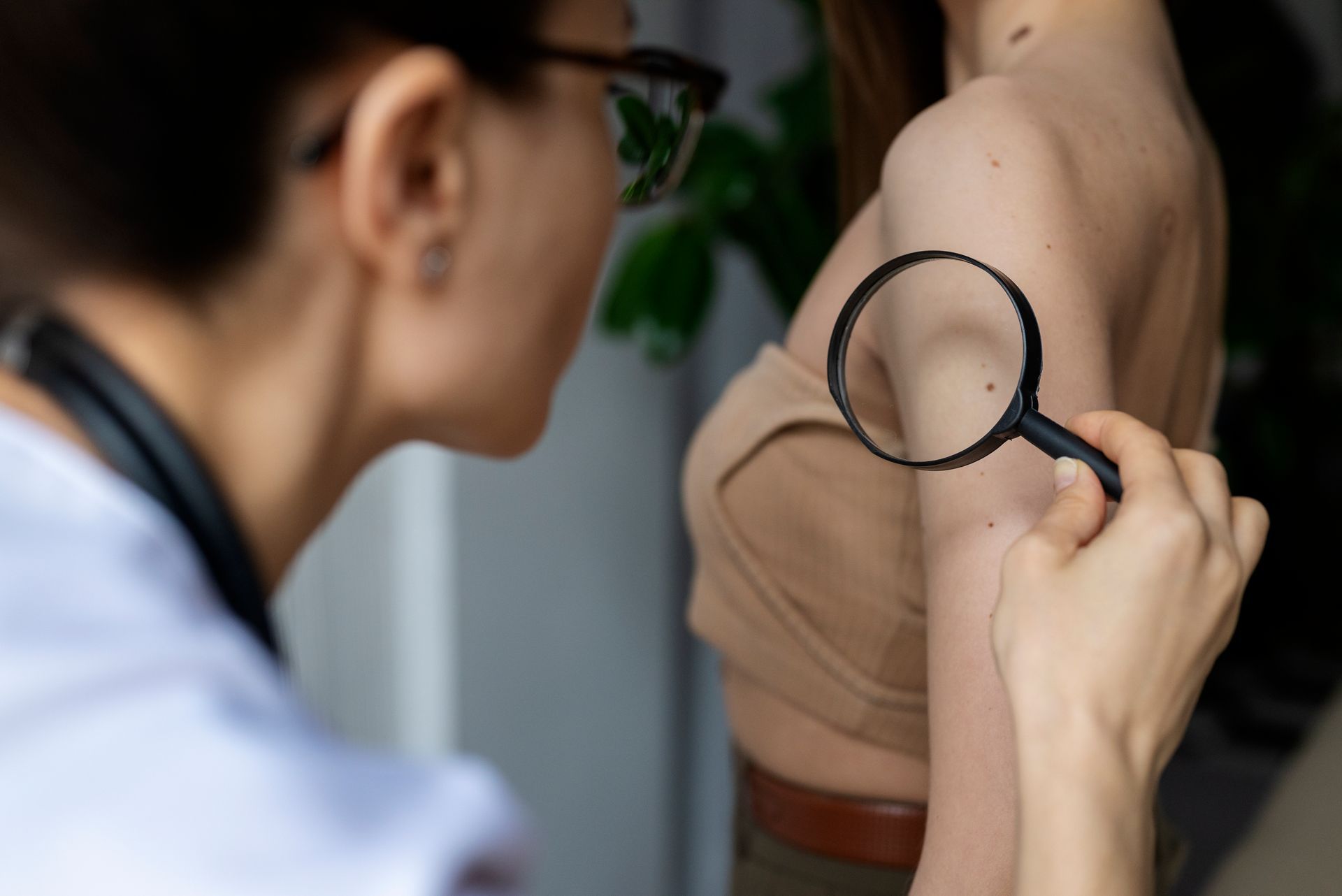
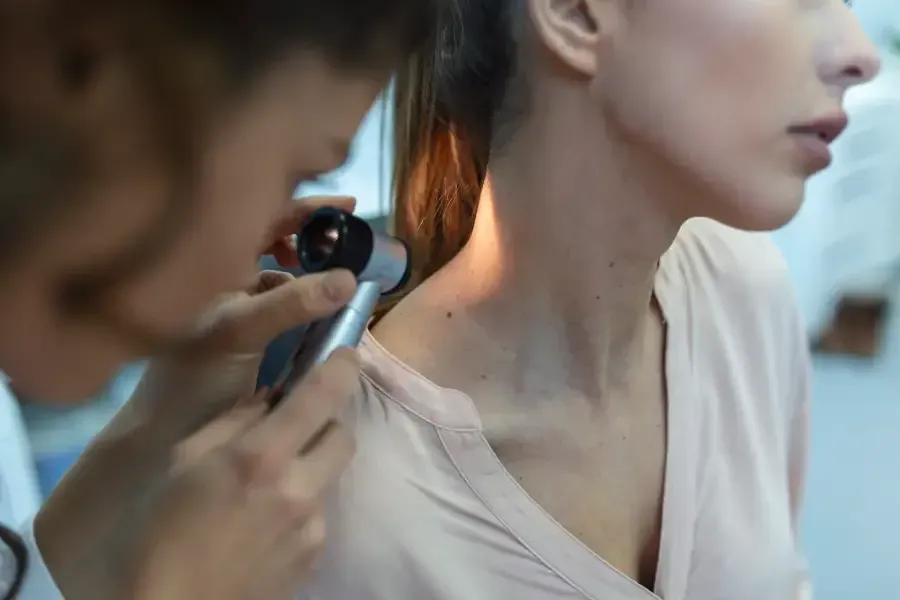
A mirror and good light can show you a lot. But they cannot show you what a GP sees through a skin scope during regular skin checks.
Dermoscopy lets your doctor look at the inside structure of a mole or spot. Some lesions that appear fine on the outside show clear signs of trouble at this level of view.
At Molonglo Valley Medical Centre, each skin check includes full-body digital imaging. Your GP builds a visual record at your first visit. Every visit after that, they compare what they see now to that record.
Small, slow changes do not go unnoticed. That is the clinical value of regular skin checks done on a set schedule.
Who Needs Regular Skin Checks and How Often?
• Low personal risk, limited time in the sun, no relevant history: a check every two years
• Adults 18 and over with regular outdoor exposure: once a year is the standard we recommend
• Fair skin, high mole count, or a removed lesion in the past: every six months
• Prior melanoma or a close family member treated for melanoma: three to six months, guided by your GP
Between Visits: Checking Your Own Skin at Home
A monthly home check takes five minutes. The goal is to learn what is normal for your skin so you notice when something shifts.
Look for a mole where the two sides do not sit evenly. Watch for any spot with an edge that has become rough or uneven. Flag a colour that blends more than one shade within one small area. Note any growth past roughly the width of a pencil eraser. And take any lesion that bleeds, crusts, or will not settle as a clear sign to book in right away.
Home checks work alongside regular skin checks — not instead of them.
Sun Safety Tips: Building Better Daily Habits
Sun safety tips are most useful when they become part of your morning routine. Not a reaction to a hot day. Not something you only think about at the beach.
In Canberra, UV rays stay at damaging levels through autumn and into winter on clear days. The ARPANSA UV index tool shows the daily reading for your area. When that number hits three or above, cover matters.
Five Daily Cover Habits Worth Building
• A long-sleeve shirt with a tight weave beats sunscreen for long outdoor sessions — physical cover is your best tool
• Put on SPF 30 or higher sunscreen each morning before you leave the house, even on days that look overcast
• Wear a hat with a brim that drops on all sides — a cap with a front peak leaves your neck and ears wide open
• Step into shade between mid-morning and mid-afternoon when UV sits at its peak for the day
• Wrap-style sunglasses with UV-rated lenses protect your eyes and the thin skin around them
Sunscreen: Are You Using It Correctly?
Most people apply far less sunscreen than the tested amount on the bottle. A light coat does not give you the SPF on the label.
Apply it well before going outside. Let it settle for about 20 minutes. Then apply again after you swim, after heavy sweating, or once two hours have passed.
Sunscreen is one layer of your sun safety tips plan — not the whole plan on its own.
Sun Safety for Children in Molonglo Valley
Kids in Molonglo Valley spend a lot of time outside. School sport, park visits, and weekend activities all add UV exposure week after week.
Use a high-factor sunscreen on children before they head out. Pick a hat with a proper brim. Build shade stops into long outdoor days. The habits children build early stay with them for life.
Skin Condition Care: Getting the Right Help
Skin cancer is not the only reason to see a GP about your skin. Skin condition care for everyday problems is a big part of what our doctors manage.
Many skin issues look similar on the surface. A GP assessment tells you exactly what you are dealing with. That is a better starting point than trialling products at the chemist.
Conditions Our GPs See Every Week
• Acne — from mild breakouts to stubborn cystic cases that need medicine rather than skincare products
• Eczema — finding what sets off your flares, building a daily skin barrier routine, and treating bad episodes with the right medicines
• Psoriasis — long-term skin condition care that shifts as your symptoms change in severity
• Rashes and skin bugs — getting the correct assessment so the right treatment targets the actual cause
When Is It Time to Stop Waiting and Book In?
If a skin problem has not got better on its own within three weeks, a GP visit is the right next step.
Also come in if the problem is spreading, painful, breaking your sleep, or getting worse despite what you are doing. These are signs that prescription-level care is needed.
How This Connects Back to Your Overall Skin Health
Skin cancer care, sun safety tips, and skin condition care are all part of one picture. They are not separate topics.
A GP at Molonglo Valley Medical Centre looks at all of these together. Your skin history, your risk level, and your current concerns all shape the advice you get.
For a full overview of skin health in Molonglo Valley, read other complete pillar guide:
→ Your Complete Guide to Skin Health in Molonglo Valley – Prevention, Checks & Care
Also in the Skin Health Blog Series
→ Why Regular Skin Checks Are Critical: Early Detection, What Doctors Look For & How Often
→ Common Skin Conditions Explained: Acne, Eczema, Psoriasis & When to See Your GP
→ Understanding Skin Cancer Risk Factors: Family History, Skin Type, Sun Exposure & Lifestyle
Frequently Asked Questions
Q1. How do I know if my personal skin cancer risk is high or low?
Your GP at Molonglo Valley Medical Centre assesses this with you at your first skin check visit. They look at your skin tone, mole count, sun history, and family background. Based on that picture, they set a monitoring schedule that fits your actual risk level. You do not need to guess where you stand.
Q2. Can I do a skin check at home instead of going to the GP?
A home check is a useful habit but it is not a substitute for GP-level care. A home check uses the naked eye in normal light. Your GP uses a skin scope that shows the structure inside each mole or spot. Many early skin cancers look like ordinary spots to the naked eye. The two types of check complement each other well.
Q3. Which sun safety tips matter most for people who work outdoors in Canberra?
Physical cover is your top tool — a long-sleeve shirt and a wide-brimmed hat reduce your UV load more than sunscreen alone. Apply sunscreen to any skin that clothing does not cover, and put it on again after sweating. Move into shade at lunch when UV sits at its daily peak. And book an annual skin check so your doctor can track any changes that build up over time.
Q4. My eczema keeps flaring up. Can a GP at Molonglo Valley Medical Centre help with long-term management?
Yes. Ongoing skin condition care for eczema is a regular part of our GP work. We look at what is driving your flares, how well your current treatment is holding up, and whether a change in approach would help. Where eczema needs specialist input, we arrange the referral. You do not have to keep managing it alone with chemist products.
Q5. Are skin checks at Molonglo Valley Medical Centre bulk billed?
Skin checks with a GP attract a Medicare rebate in most cases. Bulk billing is available for eligible patients including children, pensioners, and Healthcare Card holders. We suggest calling reception before your first visit to confirm your cover and any gap that may apply.
Take Action on Your Health Today
Your health matters at every stage of life. From routine check-ups and preventive care to managing ongoing health concerns, early medical support can make a real difference. At Molonglo Valley Medical Centre, our experienced GPs provide professional, compassionate care for individuals and families in a comfortable environment.
📅 Book your appointment today
Contact:02 5110 3155
https://www.molonglovalleymedicalcentre.com.au/contact
📧 Email Us: reception@molonglovalleymedicalcentre.com.au