When Should You Get a Skin Cancer Check? Signs, Risks and Screening Recommendations
Knowing when to arrange a skin cancer check can help you respond to suspicious changes before they become more serious. A new mole, an unusual spot or a sore that does not heal may need medical assessment, even if it does not cause pain.
For Canberra residents, understanding skin cancer risk and following appropriate skin cancer screening recommendations can support better preventive healthcare. At Molonglo Valley Medical Centre, our GPs can assess suspicious skin changes and help you understand whether regular skin checks are suitable for you.
When Should You Get a Skin Cancer Check?
You should arrange a professional skin check if you notice a new or changing mole, an unusual spot or a lesion that looks different from the surrounding skin.
You should also discuss screening with your GP if you have previously had skin cancer, spend significant time outdoors or have a close family member with melanoma.
A professional examination can help assess changes that may be difficult to evaluate at home.
Warning Signs You Should Not Ignore
Changes in Size or Shape
A mole that becomes larger or develops an irregular shape should be assessed. Changes may happen gradually, so comparing your skin with earlier photographs can help you notice differences.
Uneven Colour
A spot with multiple colours, such as brown, black, red or white, may require closer examination. Colour variation is not always a sign of cancer, but unusual changes should be discussed with a GP.
Bleeding, Crusting or Persistent Itching
A lesion that bleeds without an obvious injury, repeatedly crusts or remains itchy may need medical assessment. These symptoms can occur with several skin conditions, including some skin cancers.
A Sore That Does Not Heal
A persistent sore, ulcer or scaly patch that does not heal should be examined by a medical professional. Do not assume that a painless skin lesion is harmless.
Understanding Your Skin Cancer Risk
Your skin cancer risk depends on several factors, including skin type, sun exposure, personal history and family history.
People with fair skin that burns easily, a large number of moles or previous skin cancer may have a higher risk. Regular outdoor work and repeated sunburn can also increase exposure to ultraviolet radiation.
Having a risk factor does not mean you will develop skin cancer. However, it may mean that you should discuss an appropriate screening plan with your GP.
Who May Need More Frequent Monitoring?
People with a personal history of melanoma or other skin cancers may need regular monitoring. Your GP may recommend more frequent appointments, specialist review or additional assessment of suspicious lesions.
Those with a lower risk may not require frequent professional screening, but should still seek medical advice when a concerning change appears.
Skin Cancer Screening Recommendations
There is no single screening schedule that suits everyone. The appropriate frequency depends on your personal risk and clinical history.
Routine Checks and Risk-Based Screening
Your GP can assess your skin history and recommend whether regular skin checks are appropriate. If you have previously had melanoma or another skin cancer, follow-up may be more frequent.
For people without known risk factors, routine skin self-checks and prompt assessment of suspicious changes are important. A professional examination may be recommended when your GP identifies a reason for further assessment.
Why You Should Not Wait for Pain
Pain is not a reliable indicator of skin cancer. Some lesions may develop without causing discomfort or other obvious symptoms.
If you notice a suspicious spot, arrange a medical review rather than waiting for it to become painful.
What Happens During a Skin Check?
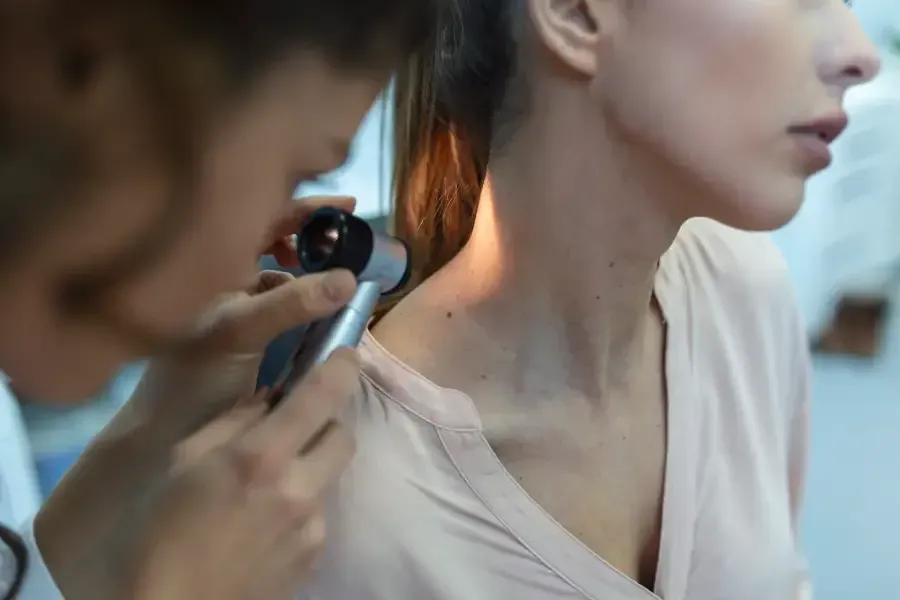
A skin check usually begins with a discussion about your concerns, medical history and sun exposure. Your GP then examines your skin and may use a dermatoscope to assess suspicious areas more closely.
Digital imaging may help document selected lesions for future comparison. If a lesion appears concerning, your doctor can explain whether monitoring, a biopsy or specialist referral is appropriate.
How Can You Reduce Your Skin Cancer Risk?
Regular skin checks are only one part of prevention. Sun protection can help reduce exposure to harmful UV radiation.
- Use broad-spectrum SPF 50+ sunscreen as directed.
- Wear protective clothing and a broad-brimmed hat.
- Seek shade when UV levels are high.
- Avoid tanning beds and intentional tanning.
- Reapply sunscreen according to product instructions.
- Check your skin regularly for new or changing spots.
Book a Skin Check in Molonglo Valley
If you have noticed a suspicious skin change or want to discuss your skin cancer risk, contact Molonglo Valley Medical Centre to arrange an appointment.
Our GPs can assess your concerns and recommend appropriate next steps.
For a broader guide to screening and prevention, read our pillar article:Skin Cancer Checks Canberra: A Complete Guide to Skin Cancer Screening and Prevention.
Frequently Asked Questions
1. When should I get my first skin cancer check?
You can discuss your need for a skin check with your GP at any age. Adults with risk factors or suspicious skin changes should arrange an assessment.
2. Is every new mole a sign of skin cancer?
No. Many new moles and skin changes are harmless. However, a new or changing lesion should be assessed if it looks unusual or concerns you.
3. How often should high-risk patients have skin checks?
The frequency depends on personal history and clinical findings. Your GP may recommend regular monitoring or specialist review.
4. Can skin cancer be present without symptoms?
Yes. Some skin cancers do not cause pain or other obvious symptoms in their early stages. This is why noticing visual changes and discussing risk factors with your GP matters.
5. Should I book a skin check if a spot is bleeding?
Yes. A spot that bleeds without an obvious injury, repeatedly crusts or does not heal should be assessed by a medical professional.
📍 Address: 110 Woodberry Ave, Coombs ACT 2611, Australia
📞 Phone: (02) 5110 3155
📧 Email: reception@molonglovalleymedicalcentre.com.au
🔗Contact us to book your appointment today