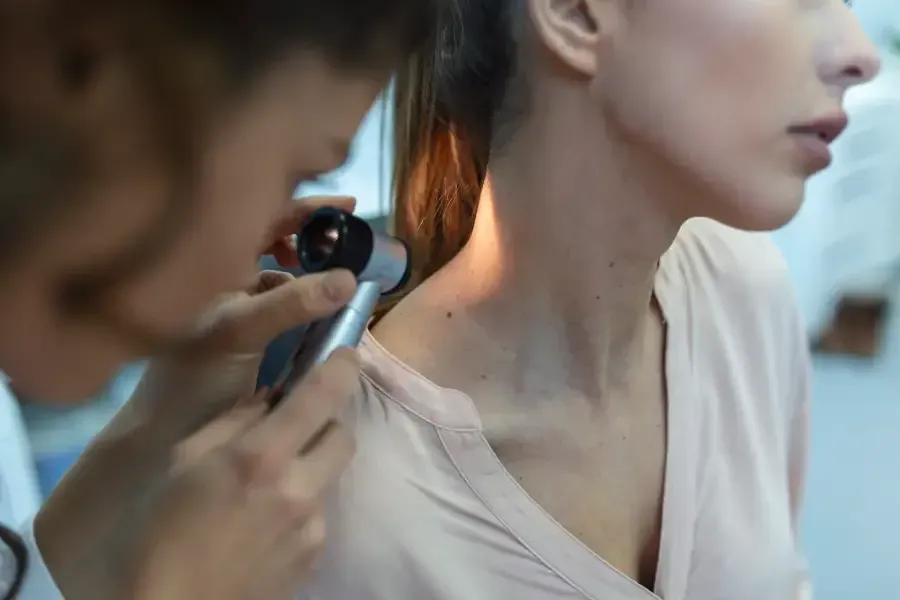
Women's Health Canberra: Complete Guide to Preventive Care, Family Planning and Reproductive Health
Taking care of your health as a woman touches on so much more than just check-ups — it's about your body, your emotional wellbeing, and support that shifts as life does. Maybe you're due for a routine visit, thinking about contraception, or working through something that's been on your mind. Either way, a GP can walk you through what's available.
If you're looking into women's health Canberra options, finding a clinic that offers continuity of care makes a real difference — it's easier to open up and get good advice when you're seeing someone who knows your history.
What Does Women's Health Include?
Caring for women's health means looking at both physical and emotional needs together. What you need from your GP will naturally shift depending on your age, your lifestyle, whether you're planning a family, and your own health background.
Preventive Health Checks
Catching things early is what preventive care is all about, and it plays a big role in staying well long-term. Depending on what's relevant to you, your GP might bring up:
- Blood pressure and cholesterol checks
- Cervical screening
- Breast health concerns
- Vaccinations
- Sexual health testing
- Menstrual health
- Lifestyle and nutrition
These visits also give you a chance to mention symptoms you might otherwise brush off or forget to bring up.
Reproductive and Sexual Health
This side of care covers contraception, planning for pregnancy, fertility worries, and anything related to your cycle. If you're dealing with painful periods, bleeding that seems off, pelvic pain, or cycle changes, your GP is a good person to talk it through with.
Sometimes a concern needs a specialist's eye. When that's the case, your GP will explain your options and set up a referral.
Family Planning and Contraception
Good family planning support means you get to make pregnancy and contraception decisions with real information behind you.
Understanding Contraceptive Options
Not every method works for every person. You might consider condoms, the pill, implants, injections, or an intrauterine device — each has its own pros and cons.
Your GP can walk you through how each option works, what side effects to watch for, and which ones make sense given your health.
Planning a Pregnancy
Thinking about starting or growing your family? A pre-pregnancy visit is worth booking. Your GP will typically check over your medications, vaccination status, any existing conditions, and lifestyle habits that might matter.
For more information, read our guide to Family Planning Canberra.
IUD Insertion and Removal in Canberra
An IUD — short for intrauterine device — sits inside the uterus and offers long-term, reversible contraception.
Hormonal and Copper IUDs
Hormonal IUDs work by releasing a small amount of progestogen, while copper IUDs skip hormones altogether. Both do the job well, but they suit different people depending on individual health factors.
What to Expect
Insertion is done by a trained professional during a clinic visit. It's common to feel some cramping or discomfort while it's being placed.
Curious about an IUD? Talk to your GP about what the procedure involves, options for pain relief, and how to care for yourself afterward.
Read our article on IUD Insertion and Removal to learn more.
Mental Health Care with a GP
Your emotional wellbeing matters just as much as your physical health. Anxiety, low mood, stress, and other emotional shifts can show up at different points in life.
Treatment and Ongoing Support
Your GP can talk through what you're experiencing and look at what kind of support might help — this could mean counselling, medication, lifestyle changes, or a referral to a mental health specialist.
Mental Health Treatment Plans
If you qualify, a Mental Health Treatment Plan can help make psychological support more accessible. Ask your GP whether this is something that could work for you.
For more information, read our guide to Mental Health Care with a GP.
When Should You See a GP?
It's worth booking a visit if you're dealing with:
- Persistent pelvic pain
- Unusual vaginal bleeding
- Changes in your menstrual cycle
- Concerns about contraception
- Difficulty becoming pregnant
- Ongoing anxiety or low mood
- Symptoms getting in the way of daily life
If you're experiencing severe pelvic pain, heavy bleeding, fainting, or anything that feels seriously wrong, get urgent medical help right away.
FAQs About Women's Health Canberra
How often should women have a health check?
It varies from person to person. Your GP will suggest a schedule that fits your age, history, and personal health needs.
Can a GP help with family planning?
Yes — your GP can talk through contraception, pregnancy planning, fertility questions, and arrange referrals if needed.
Can I get an IUD through a GP?
Some GPs are trained in IUD insertion and removal. It's best to check with the clinic directly to see if this service is offered.
Can a GP help with mental health concerns?
Absolutely. Your GP can assess how you're doing, discuss treatment paths, and organise referrals or a Mental Health Treatment Plan where it fits.
Where can I find women's healthcare in Canberra?
Molonglo Valley Medical Centre offers GP care for women and families throughout the area. Reach out to the clinic to talk about your needs and book a time.
Book a Women's Health Appointment
Every woman deserves care that's personal, respectful, and consistent over time. Whether you want to talk preventive care, contraception, pregnancy planning, or mental wellbeing, your GP is ready to listen.
Book an appointment with Molonglo Valley Medical Centre to discuss your women's health needs.
📍 Address: 110 Woodberry Ave, Coombs ACT 2611, Australia
📞 Phone: (02) 5110 3155
📧 Email: reception@molonglovalleymedicalcentre.com.au
🔗Contact us to book your appointment today